

Job Titles & Levels
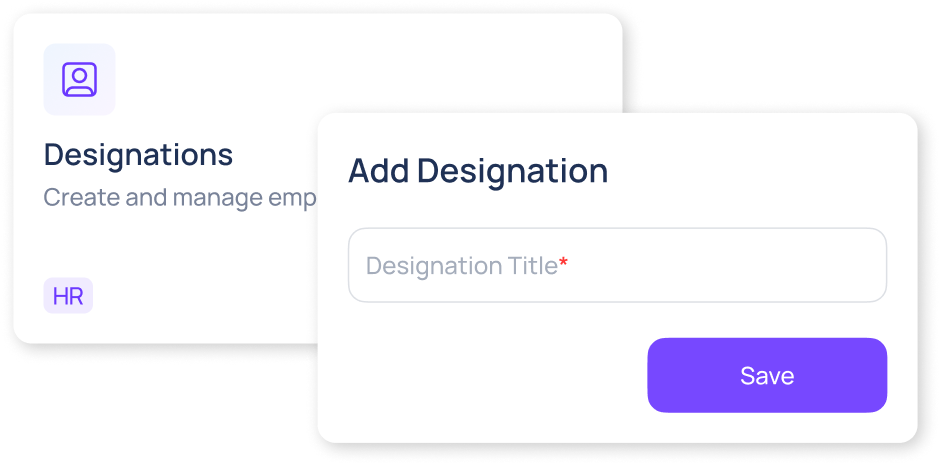
Bring Structure to Your Organization
As your team grows, clarity becomes essential. Defined job titles and structured levels help everyone understand their role, responsibilities, and place within the organization. Create a consistent designation framework that supports growth, reporting, and workforce planning all within one centralized system.
Add & Standardize Job Titles
-
Create new designations in seconds
-
Maintain consistent role naming across teams
-
Avoid duplicate or overlapping titles
-
Align titles with departments & business units
-
Keep your role structure organized & clean
Define Structured Job Levels
-
Establish clear junior, mid, & senior levels
-
Create leadership & managerial tiers
-
Maintain transparency in reporting hierarchy
-
Support structured internal growth paths
-
Align roles with performance expectations
Track Headcount by Role
-
View total employees per designation
-
Identify workforce distribution instantly
-
Monitor role growth across departments
-
Spot gaps or concentration in specific positions
-
Maintain real-time structural visibility

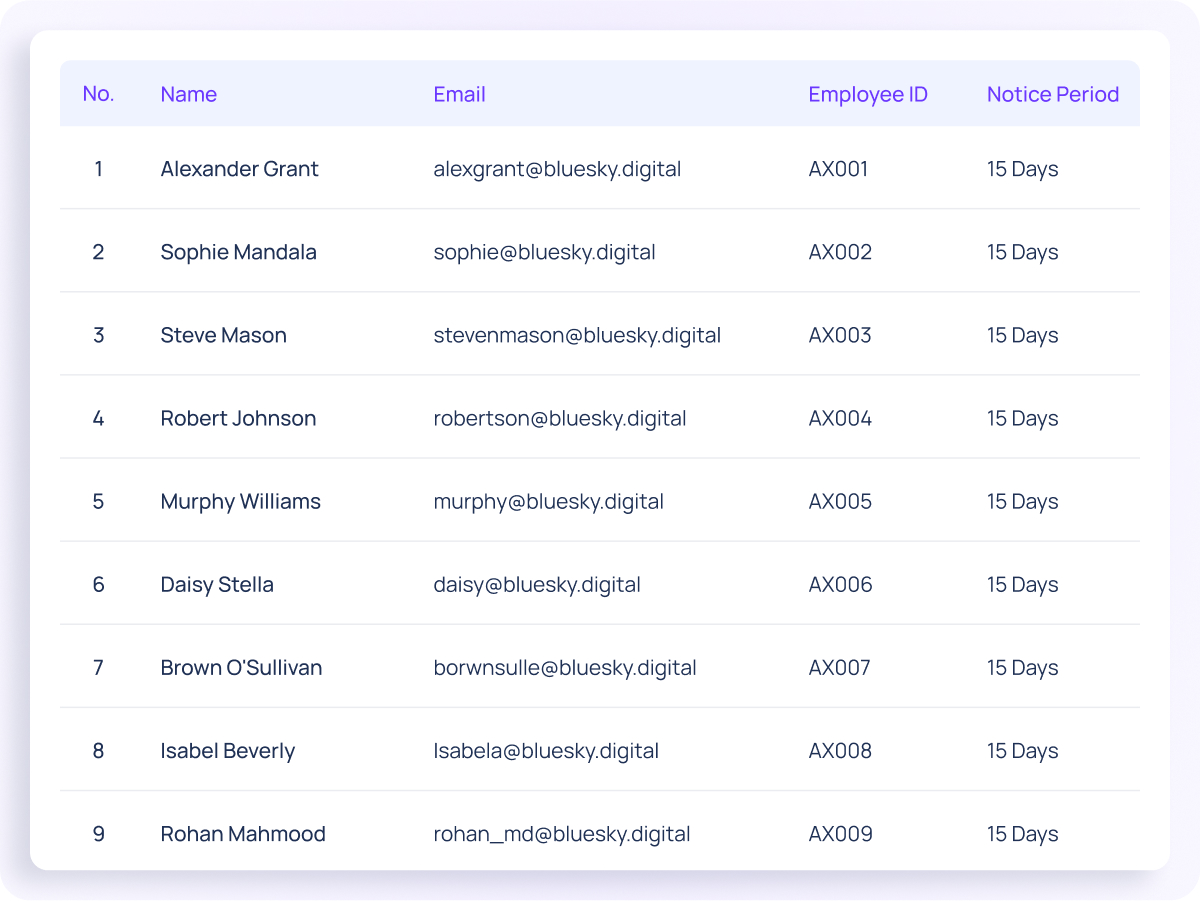
Designation Overview Dashboard
Gain a centralized view of your entire role structure through a clear and intuitive dashboard.
-
See all designations in one structured list
-
Monitor headcount attached to each role
-
Identify active and inactive positions
-
Maintain visibility across departments
-
Keep your organizational framework up to date
Flexible Role Lifecycle Management
Roles evolve as businesses grow. Your system should adapt.
-
Edit designation details when responsibilities change
-
Deactivate outdated or unused roles
-
Maintain historical accuracy of structural updates
-
Ensure reporting lines remain consistent
-
Manage role changes without disrupting employee data
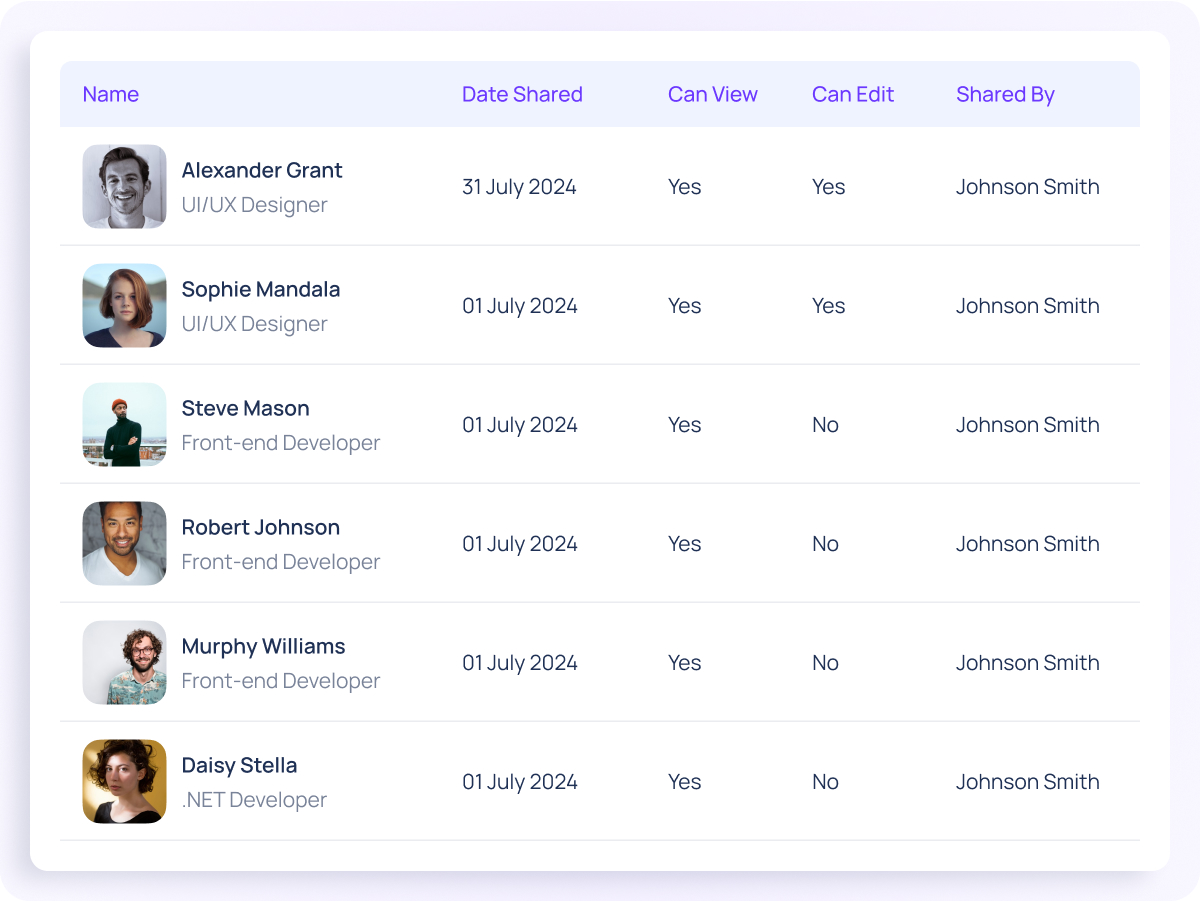
Strengthen Your Organizational Hierarchy
A clear designation framework improves more than reporting it strengthens operations.
-
Align roles with departments and business units
-
Support payroll and compensation alignment
-
Improve clarity in performance management
-
Enable better workforce planning
-
Reduce structural confusion across teams
Frequently Asked Questions
Integrated HR and payroll software combines employee management, payroll processing, and compliance workflows in one cloud-based system. Instead of using separate tools, businesses can manage employee records, run payroll, calculate PAYE and National Insurance, and generate reports from a single platform. This improves accuracy, reduces manual data entry, and keeps HR and payroll data aligned.
HR software stores employee information such as contracts, attendance, and salary data. Payroll software uses that data to calculate wages, deductions, and statutory payments. In an integrated HR and payroll system, information flows automatically between modules, reducing errors and ensuring compliance with UK payroll regulations.
The best HR and payroll systems in the UK combine secure payroll processing, HMRC compliance support, transparent pricing, scalable features, and seamless HR integration. UK businesses should look for systems that automate payroll calculations, protect employee data, and adapt as teams grow without requiring multiple disconnected tools.
Key features typically include core HR management tools, payroll automation and calculations, employee self-service portals, reporting and analytics, secure cloud hosting, and integration with accounting and third-party tools. Modern cloud-based HR systems also provide workflow automation and compliance tracking, particularly for UK employers.
HR software cost and payroll software cost in the UK usually follow a per-employee-per-month pricing model. Prices vary depending on features, payroll complexity, and support services. Integrated HR and payroll systems may include payroll automation within subscription plans or offer add-ons. Businesses should evaluate total cost, including implementation and ongoing support.
Secure payroll software for small businesses must include encrypted databases, role-based access controls, and compliance-ready payroll processing. Cloud-based HR systems protect employee data while reducing risks associated with manual payroll processes. Security features such as audit logs and secure payment integrations are essential.
Payroll management is critical for maintaining compliance with UK employment law and ensuring employees are paid accurately and on time. Automated payroll management systems reduce calculation errors, improve reporting accuracy, and streamline PAYE and statutory deductions. Reliable payroll processes also strengthen employee trust and operational efficiency.
Even small UK businesses benefit from HR software. A cloud-based HR system centralises employee records, automates documentation, and supports payroll accuracy. As businesses grow, scalable HR and payroll software reduces administrative burden and supports compliance without increasing manual workload.
HR software supports employees by providing self-service access to payslips, leave requests, contracts, and performance records. Integrated payroll functionality ensures accurate salary payments while improving transparency. This enhances employee experience and reduces dependency on manual HR administration.
A cloud-based HR system operates through secure online access, allowing HR teams to manage workforce data from anywhere. Payroll automation, reporting tools, and compliance workflows run within the same platform. Cloud hosting ensures updates, scalability, and data security for UK employers.
When choosing HR software, UK businesses should consider payroll integration capability, compliance support, pricing transparency, scalability, security standards, and implementation support. The right system should balance strong HR functionality with payroll automation while remaining cost-effective and adaptable to future growth.
Yes. Switching payroll providers or HR software is possible with proper data migration planning. Modern HR systems support structured data export and secure transfer processes. Choosing a provider with implementation support helps ensure minimal disruption during transition.