

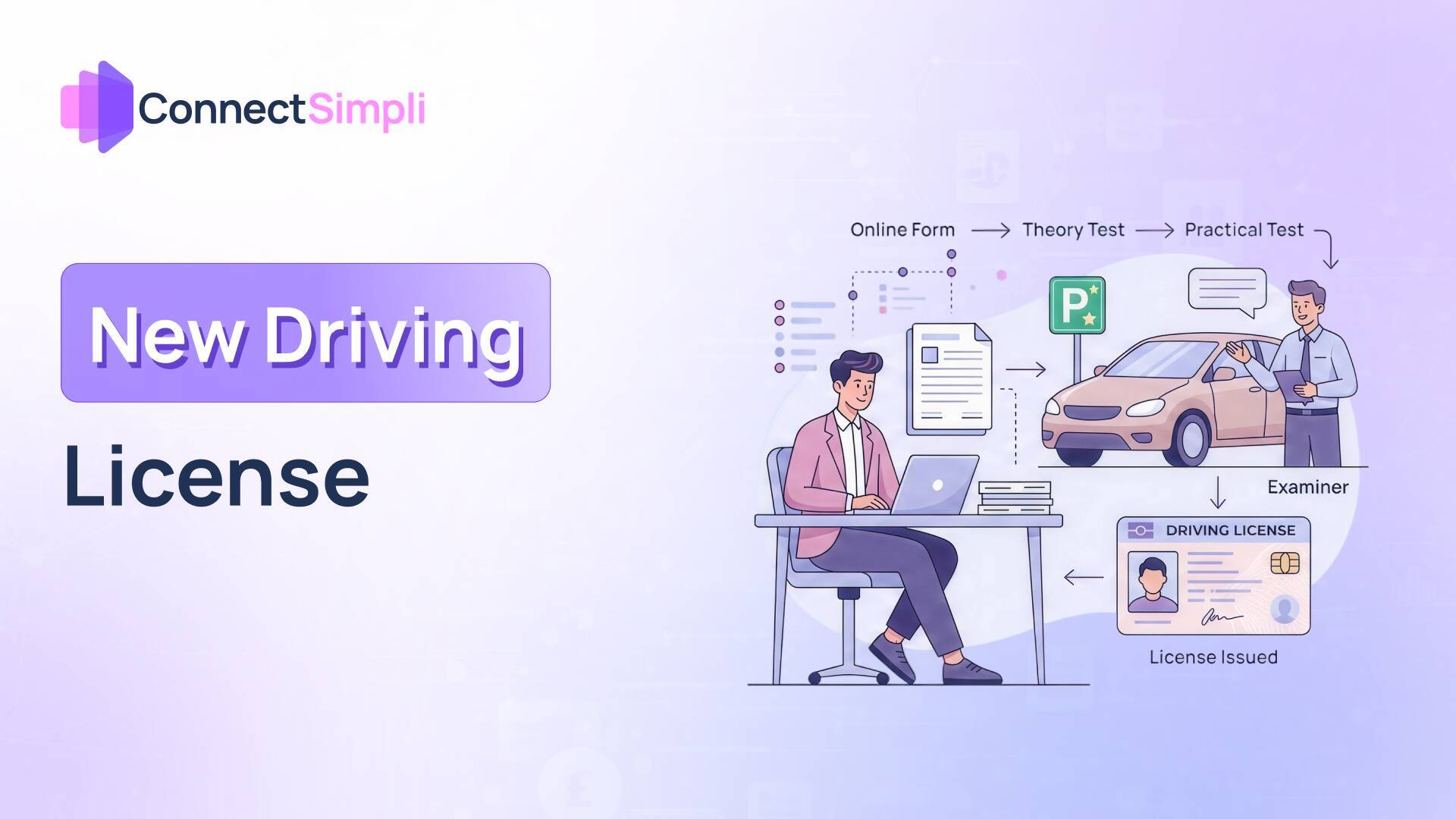
As of March 2026, your driving licence is no longer just a piece of plastic. It has transformed into something far more powerful: a live credential.
Under the UK Government’s 2026 Road Safety Strategy, your physical photocard now plays a supporting role. The real source of truth is the encrypted data held within the GOV.UK Digital Identity Framework. This evolution means your right to drive is no longer a static document but a constant stream of verified data. It updates in real time. It enables instant safety checks. And it makes fraud significantly harder.
Here is what you need to know about the new system.
The “Instant Qualification” Protocol
If you are qualifying in 2026, the moment you pass your test is very different from what older drivers remember. The transition from learner to full status is now a seamless digital event.
Automated Status Flip: When you pass your practical examination, your provisional driving licence records are electronically upgraded to full entitlement within the DVLA online licence checker overnight. You don’t wait for a card. You don’t wait for paperwork. Your status simply updates while you sleep.
The “Gapless” Insurance Mandate: Here is where you need to be careful. Because the database updates instantly, your learner driver insurance terminates the second you pass. Not the next day. Not when you get home. The second the examiner submits your result.
Immediate Legality: To remain legal for the journey home, you must have a full insurance policy ready for immediate activation. Check with your insurer well before your test date to confirm they support real-time polling of the DVLA database. If they don’t, you may need to switch providers.
Enhanced Data Accuracy Requirements
The 2026 regulatory landscape operates on a zero-tolerance policy for outdated information. If your data is wrong, you pay the price.
The Fortnight Update Window: You now have just 14 days to notify the licensing authority of any change of address on your driving licence. That is half the time you used to get.
The “Registry Mismatch” Penalty: If you fail to sync your data within that window, you face a civil penalty of up to £1,000. Worse still, your record is flagged as “Inaccurate” for employers and insurers to see.
Insurance Integrity: An outdated address doesn’t just annoy the DVLA. It can render your professional insurance non-compliant. If you have an accident and your details are wrong, your insurer may refuse to pay out.
On-the-Spot Visual Vetting: Police now have new powers. They can conduct roadside eyesight tests and if you cannot meet the 20-metre number plate standard, they can issue an immediate digital suspension. There is no grace period to get glasses. Your licence is suspended on the spot.
The Compliance Divide: Shared Accountability
| The Staff Role: Profile Guardian | The Corporate Role: Eligibility Auditor |
| Data Maintenance: You must ensure your driving record is updated within the 14-day limit to avoid statutory fines. | Liability Prevention: Permitting a staff member to drive without a verified status is a criminal breach of Section 87 of the Road Traffic Act 1988. |
| Health Transparency: You are required to report any notifiable medical conditions to both your employer and the DVLA immediately. | Duty of Care: Firms must maintain a clear audit trail of all checks to avoid charges under the Corporate Manslaughter Act. |
| Credential Sharing: You are responsible for generating a one-time Share Code via GOV.UK to allow your employer to verify your standing. | Personal Vehicle Oversight: If staff use personal cars for business travel (Grey Fleet), firms must audit the MOT status and road tax of those vehicles. |
| Timeframes: The generated verification code remains valid for 21 days. | Monitoring Frequency: Employers should check clean licenses annually and high-point drivers monthly. |
2026 Operational Transparency
When you generate a Share Code, you are granting access to a real-time dashboard of your driving history. Here is what third parties can now see.
Live Endorsements: Any penalty points you accrue appear the moment they are adjudicated. No waiting weeks for them to arrive in the post.
Professional Integration: For commercial operators, the system now syncs with tachograph data to confirm your legal driving hours. Everything is connected.
Active Entitlements: The dashboard displays exactly which vehicle classes you are authorised to operate.
Conclusion
The 2026 driving licence is not just an update. It is a fundamental shift in how we prove our right to drive. It is digital, it is live, and it comes with stricter responsibilities.
For drivers, this means no more waiting for cards and real-time access to your own data. For employers, it means reliable verification and a stronger duty of care.
The plastic card isn’t gone yet. But the future is digital, and the rules have changed.
Frequently Asked Questions
Q: Can I drive while my credentials are being renewed?
Yes, provided you meet the specific criteria outlined in Section 88. You must have a valid application in progress and meet all medical requirements.
Q: Are heritage paper licences still recognised?
Paper licences issued before 1998 remain valid. However, most 2026 employers will require you to exchange it for a digital-ready photocard. You cannot generate a Share Code from a paper licence.
Q: What if my digital licence shows ‘Inaccurate’?
This new data flag appears when your record does not match DVLA requirements. You must correct your details immediately. An “Inaccurate” flag can cause employers to reject your Share Code.
Q: Does my licence number change under the new system?
No. Your unique 16-character driver number stays with you for life.
Q: What happens if my phone dies during a police stop?
Your data is stored securely in the cloud. Police can still verify your status using your driver number or name via their internal systems.
Manager’s “System Safety” Checklist
- Digital Enrollment: Confirm all drivers have provided a valid Share Code for onboarding.
- Credential Audit: Manually verify photocard expiry dates every 10 years.
- Insurance Verification: Ensure all business travel is covered by Class 1 Business Use.
- MOT and Tax Check: Verify the MOT status and road tax of all grey fleet vehicles annually.
- Eyesight Standard: Remind drivers of the 20-metre eyesight rule.
- Risk-Based Monitoring: Monthly checks for high-point drivers (6+ points), annual checks for clean licences.
Audit Trail: Store all check dates in your HR system.