

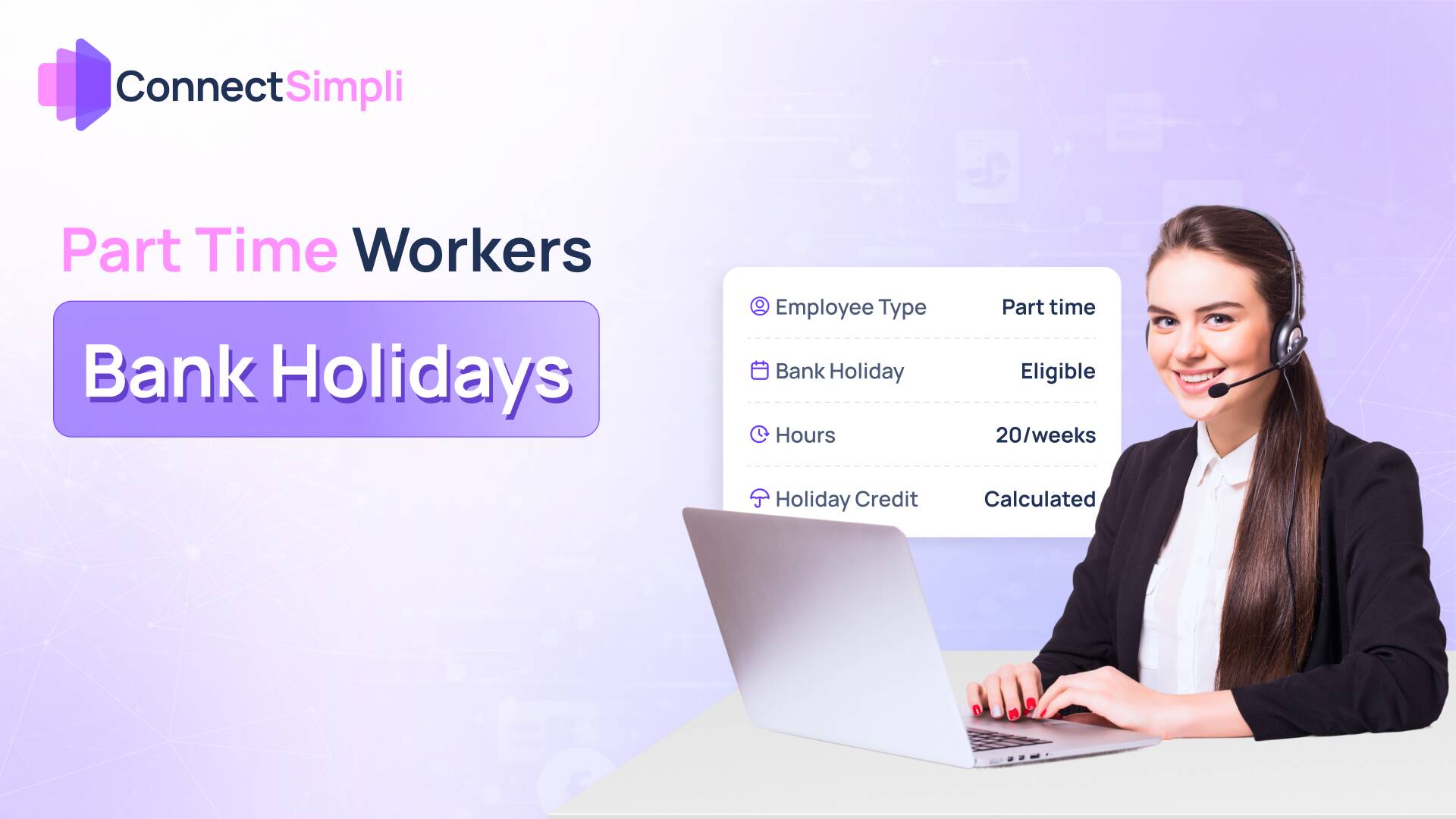
A lot of part-time workers go through the same confusing thing on a bank holiday. You look at your work schedule and see something you didn’t expect. Your coworkers are bragging about their long weekend, but your schedule says you have to work that day. This typically brings up a crucial question: do people who work part-time get bank holidays off?
The answer isn’t always clear-cut.
Bank holidays are public holidays in all parts of the UK. On these days, a lot of offices and government services are closed. But businesses in retail, hospitality, healthcare, and transportation frequently keep running around the clock. This makes employees wonder about their rights at work, their salary, and their right to take time off.
Things can be much more difficult for people who work part-time. Some workers get the day off with pay, but others have to complete their regular schedule. Some companies provide their employees bank holidays as part of their annual leave instead of giving them separate days off.
Understanding how bank holidays affect part-time workers in the UK helps employees know their rights and helps businesses make sure their workplace practices are above board.
Who Is a Part-Time Worker?
Someone who works part-time at the same company as a full-time employee does not work as many hours. The amount of hours can be different for different jobs and companies. A full-time worker might work 35 to 40 hours a week, while a part-time worker might work:
- Two times a week
- Only at night
- A few short shifts over the course of several days
There are part-time workers in practically every field in the UK. The Office for National Statistics (ONS) says that more than 8 million people in the UK work part-time, which is about 25% of the total.
Difference Between Part-Time and Full-Time Work
The key difference between part-time and full-time employment is the number of hours worked each week.
| Full-Time Workers | Part-Time Workers |
| Usually work 35–40 hours weekly | Work fewer hours |
| Often have fixed schedules | Often have flexible schedules |
| Same employment rights | Same basic employment rights |
UK legislation says that part-time workers can’t be treated worse than full-time workers who do the same job.
Typical Part-Time Work Patterns in the UK
Common part-time schedules include:
- Two or three full working days per week
- Half-day shifts across the week
- Weekend-only work
- Evening shifts after school or childcare hours
Many parents, students, and carers prefer part-time work because it offers flexibility.
Bank Holidays in the UK
How Many Bank Holidays Are There Each Year
Eight bank holidays are observed in most of the UK each year, but the number may be different in Scotland and Northern Ireland. In England and Wales, some common bank holidays are:
- Easter Monday, Good Friday, and New Year’s Day
- Early May Bank Holiday, Spring Bank Holiday, Summer Bank Holiday, Christmas Day, and Boxing Day
What Makes Bank Holidays Different from Annual Leave
A lot of people think that bank holidays are extra days off from work. This isn’t always the case. In the UK, the law only requires annual leave, not bank holidays in particular.
Every year, workers are allowed to take 5.6 weeks of paid vacation. Employers can:
- Include bank holidays in that amount
- Give employees bank holidays as extra paid time off.
- Make staff work on those days
How UK Businesses Treat Bank Holidays
Different sectors handle bank holidays differently. For example:
- Offices and government services often close on bank holidays.
- Retail shops and supermarkets often remain open.
- Hospitals, transport services, and emergency services operate as usual.
This means some workers enjoy the day off, while others continue working.
Do Part-Time Workers Get Bank Holidays?
No Automatic Legal Right to Bank Holidays
A lot of people think that workers automatically get bank holidays off. This is not guaranteed by UK employment legislation. The legislation, on the other hand, guarantees statutory annual leave. This means that an employer can make employees work on a bank holiday if their employment contract says they can.
When Bank Holidays Are Included in Annual Leave
In many workplaces, bank holidays are counted as part of the employee’s annual leave entitlement. For example:
- A full-time worker may receive 28 days of annual leave, including bank holidays.
- A part-time worker receives the same entitlement on a pro-rata basis.
When Employers Provide Bank Holidays Separately
Some businesses give their employees bank holidays as well as vacation days. In certain circumstances, workers receive extra paid days off when a bank holiday comes. But this all depends on the company’s policy and the employment contract.
Holiday Entitlement for Part-Time Workers
The 5.6 Weeks Statutory Leave Rule
The Working Time Regulations 1998 say that workers in the UK can take 5.6 weeks of paid vacation per year. This is the same as for a full-time worker who works five days a week:
5.6 times 5 days equals 28 days of vacation time. These 28 days could be bank holidays.
How Pro-Rata Entitlement Works
Part-time workers get the same amount of leave, but it is based on their schedule. This calculation makes sure that part-time and full-time workers are treated equally. For instance:
If someone works three days a week, they are entitled to:
5.6 × 3 = 16.8 days of vacation time each year (Employers normally round this up to 17 days).
Example Calculations for Part-Time Staff
- Example 1: The worker works two days a week and gets 11.2 days off.
- Example 2: The worker works four days a week and gets 22.4 days off.
When a Bank Holiday Falls on a Non-Working Day
Think of someone who works part-time on Tuesday, Wednesday, and Thursday. If Monday is a bank holiday, the worker would not usually work that day. This can make people wonder if it’s fair.
How Employers Adjust Leave Entitlement
To make sure everyone is treated fairly, businesses typically change the amount of yearly leave a worker gets instead of giving them the day off. For example:
- For people who usually work on that day, a bank holiday may be taken out of their entire holiday allowance.
- People who don’t work that day can keep all of their annual leave.
Fair Treatment Rules for Part-Time Workers
Employers in the UK must treat part-time workers properly. This means that companies can’t make rules that unfairly hurt part-time workers. Employers must make sure that holiday pay is calculated fairly.
Working on Bank Holidays
When Employers Can Require Employees to Work
Employers may require staff to work on bank holidays if:
- The employment contract allows it
- The business operates on public holidays
- Staff schedules require coverage
This is common in industries like retail, hospitality, healthcare, and transport.
Role of Employment Contracts and Workplace Policies
Your employment contract is the most important document to check. It will usually explain:
- Whether bank holidays are included in annual leave
- Whether employees must work on public holidays
- How leave entitlement is calculated
Pay Rules for Working Bank Holidays
UK law does not require higher pay for working bank holidays. However, many employers offer:
- Time-and-a-half pay or double pay
- Extra time off in lieu (TOIL)
These benefits depend on company policy rather than legal obligation.
Legal Protection for Part-Time Workers
The Part-time Workers (Prevention of Less Favourable Treatment) Regulations 2000 protect part-time employees. These rules ensure that part-time workers are not treated unfairly compared with full-time colleagues.
Protection From Discrimination in Holiday Entitlement
Employers must provide holiday entitlement on a pro-rata basis. This ensures part-time staff receive a fair share of paid leave. For example, a part-time worker should not lose bank holiday entitlement simply due to their schedule.
What to Do If Your Bank Holiday Rights Are Ignored
Check Your Employment Contract
Start by reviewing your employment contract. This document explains your entitlement to annual leave, bank holidays, and holiday pay.
Speak With Your Employer
Many problems occur due to misunderstandings. Speaking with your manager or HR department often resolves the issue quickly.
Seek Advice From ACAS or Citizens Advice
If the issue continues, you can seek guidance from:
FAQs:
Do part-time workers get bank holidays off in the UK?
Not automatically. Employers may include bank holidays within the worker’s annual leave entitlement or require employees to work on those days.
Are bank holidays included in annual leave?
In many workplaces, bank holidays are counted as part of the 5.6 weeks statutory leave allowance.
How is bank holiday entitlement calculated for part-time staff?
Holiday entitlement is calculated using a pro-rata formula based on weekly working days.
Can employers require part-time workers to work on bank holidays?
Yes, if the employment contract states that staff may be required to work on those days.
What happens if a bank holiday falls on a non-working day?
Employers normally adjust the worker’s overall annual leave allowance to ensure fair treatment.