

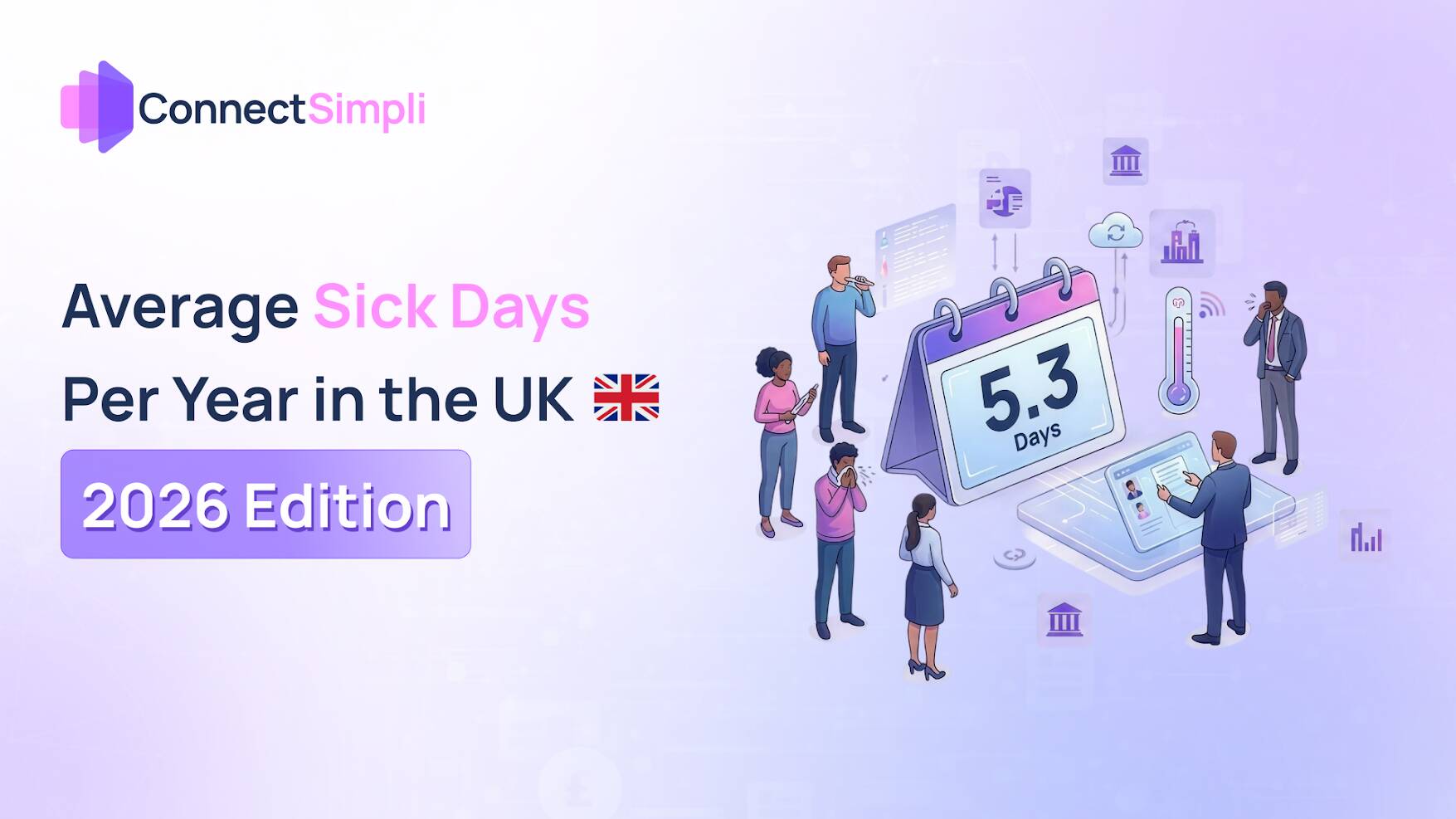
In the UK, sickness absence has evolved beyond seasonal viruses. It now serves as a barometer for systemic challenges, including extended NHS elective care waiting lists, cost-of-living pressures, and the complex boundaries of the hybrid work model.
Understanding these dynamics allows both employees and managers to navigate illness with a focus on sustainable productivity and long-term health.
The Psychological Tug-of-War: Employees vs. Management
The 2026 workplace is characterized by a “transparency gap” where physical absence is replaced by digital presence, often at the cost of recovery.
The Employee Perspective: Guilt and Fear
- Presenteeism in the Remote Work Era: from the CIPD Health and Wellbeing at Work report indicates that many feel obligated to remain “online” while unwell. This digital presenteeism significantly impedes recovery and is a primary catalyst for chronic burnout.
- Financial Pressure: While Statutory Sick Pay (SSP) provides a safety net, it often falls short of UK inflationary costs, forcing many to prioritize immediate income over necessary rest.
- Mental Health Concerns: Despite increased societal awareness, a stigma persists; many employees fear that disclosing work-related stress may negatively impact their career progression or job security.
The Management Perspective: Resource Challenges
- The Domino Effect: As organizations move toward “lean” staffing models, a single absence creates an immediate “workload spike” for remaining team members, potentially leading to secondary stress leave.
- Hybrid Uncertainty: Without physical proximity, managers may struggle to assess the severity of an employee’s illness, which can strain the trust relationship if communication channels are not transparent.
Average Sick Days in the UK (2026 Statistics)
According to the latest benchmarks from the ONS Sickness Absence in the UK Labour Market:
- National Average: Projections for 2026 sit between 6.2 and 9.1 days per annum. This rising trend is attributed to higher diagnostic rates for mental health conditions and the long-term effects of the pandemic.
- Sector Split: The Public Sector consistently reports higher absence (avg. 10+ days) compared to the Private Sector (avg. 5-6 days).
- Drivers: The “triple threat” of Long COVID, NHS diagnostic backlogs, and sustained workplace stress remains the primary cause of lost working hours.
The Sick Day Question: Is 4 Days Too Many?
Technically, no. In 2026, four days is well below the national median. However, UK employers prioritize absence patterns over cumulative totals.
A single, continuous block of 4–5 days for a diagnosed infection is typically viewed as a responsible recovery period. Conversely, “fragmented” absence—such as three Mondays in a six-month period—is much more likely to trigger a formal HR review.
How UK Companies Monitor Absence: The Bradford Factor
Many UK HR departments use the Bradford Factor to track disruption.
- The Formula: $S^2 \times D = \text{Score}$ (Spells squared $\times$ Total Days).
- Example: 3 absences of 1 day = 9 points. 1 absence of 10 days = 10 points.
While efficient for data tracking, critics argue this formula is ableist, as it disproportionately penalizes neurodivergent individuals or those with fluctuating chronic conditions who may require frequent, brief intervals of rest.
Return-to-Work (RTW) Interviews
The ACAS guidelines now emphasize that RTW interviews should be standard practice for all absences.
- Modern Shift: These meetings have transitioned from “disciplinary policing” to “supportive check-ins.”
- Adjustments: This is the critical window to discuss Reasonable Adjustments under the Equality Act 2010, such as a phased return or modified duties to prevent a relapse.
Mental Health: The Leading Cause of Long-Term Absence
Research by Mind UK confirms that mental ill-health is the leading cause of long-term sickness in the UK.
- Red Flags: Managers should monitor for decreased motivation, increased irritability, and social withdrawal from digital or physical team spaces.
- Cost: Studies from the Centre for Mental Health show that “presenteeism” costs the UK economy significantly more than actual absence, as it leads to diminished cognitive performance and longer eventual leave periods.
Legal Rights & 2026 SSP Updates
Important changes occurred following the Employment Rights Act 2025/26:
- Self-Certification: Still valid for the first 7 days.
- Fit Notes: A doctor’s Fit Note is required only after the first week of absence.
- SSP Day 1 Entitlement: A landmark change in April 2026 removed the “three-day waiting period.” Most workers are now eligible for Statutory Sick Pay from the very first day of their illness.
Conclusion:
Managing sickness absence in 2026 requires balance. Workplaces that prioritize trust and open communication see better outcomes. When employees feel supported, they return motivated and committed to their organization.
FAQs: Common UK Workplace Concerns
Is it okay for my supervisor to call me when I’m sick?
Yes, provided it is “reasonable” and focused on wellbeing. Employers have a legal duty of care to check on staff, but they cannot legally compel you to perform work tasks while on leave.
Can I lose my job for taking too many sick days?
Dismissal is only a last resort following a formal capability procedure. Employers must consider if your illness is a disability under the Equality Act 2010.
Is being burned out a good cause to miss work?
Absolutely. In 2026, UK GPs frequently issue fit notes for “Work-Related Stress” or “Mental Fatigue” to prevent more severe long-term health crises.